
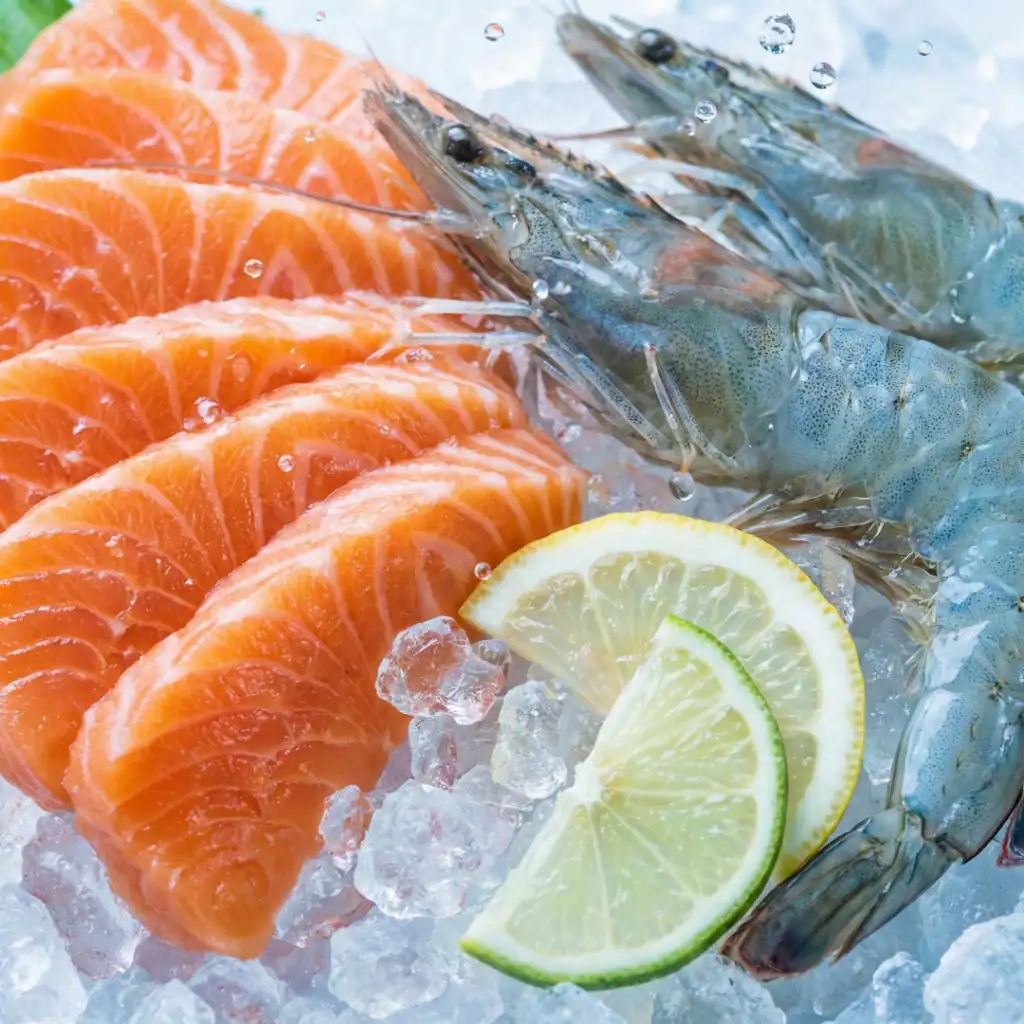
For anyone in Malaysia’s vibrant seafood industry, from aquaculture farms to export processors, freshness is the ultimate currency. A catch that looks and tastes like it just left the ocean commands a premium price. But the clock is always ticking, and seafood spoilage is a relentless enemy that can turn profits into losses in the blink of an eye.
Why is seafood so much more perishable than other proteins? The answer lies in its unique biology. Understanding these core challenges is the first step to implementing an effective preservation strategy.
The Three Core Enemies of Seafood Freshness
1. Aggressive Microbial Growth
The primary culprit behind seafood spoilage is bacteria. The flesh of fish and shellfish is rich in nutrients and has a neutral pH, creating a perfect paradise for bacteria to multiply at an alarming rate. These microbes are responsible for the classic signs of decay:
- Strong “fishy” or ammonia-like odors.
- Slimy texture on the surface.
- Rapid discoloration.
2. Enzymatic Degradation (The “Black Spot” Problem)
This is a major challenge, especially for shrimp and crustacean exporters. Melanosis, or “black spot,” is not caused by bacteria but by an internal enzyme (polyphenoloxidase) that reacts with oxygen. While the product is still safe to eat, the appearance of black spots on the head and shell leads to immediate quality downgrades and costly shipment rejections. Controlling this enzymatic process is critical for maintaining market value.
3. Oxidative Rancidity
Oily fish like salmon, mackerel, and tuna are rich in omega-3 fatty acids. While healthy, these fats are highly unstable and prone to oxidation when exposed to air. This chemical reaction, known as rancidity, results in:
- Unpleasant “off-flavors” and smells.
- Browning or yellowing of the flesh.
- A significant loss in nutritional value.
The Solution: A Multi-Pronged Preservation Strategy
While temperature control (chilling and freezing) is the first line of defense, it only slows down these processes. To truly protect your catch and your business, a more advanced intervention is needed.
This is where a modern, natural preservative like Nutritech DF-100 becomes an indispensable tool.
Unlike traditional chemical solutions that might only solve one problem, DF-100 is a dual-action powerhouse specifically suited for the complexities of seafood:
- Powerful Anti-Microbial Shield: Its natural formula, derived from grapefruit seed extract, actively eliminates the surface bacteria that cause rapid decay and foul odors.
- Effective Anti-Oxidant & Enzyme Inhibitor: DF-100’s properties interfere with the oxidative processes. This not only prevents rancidity in oily fish but also effectively inhibits the enzymatic reaction that causes black spots on shrimp.
Conclusion: From Problem to Profit
Understanding the science behind seafood spoilage allows you to move from a reactive to a proactive preservation strategy. By integrating a proven, natural, and dual-action solution like DF-100 into your process—whether as a pre-processing rinse or an ice glaze additive—you can effectively combat all three enemies of freshness.
The result is a longer shelf life, superior product quality, reduced waste, and the confidence to access the world’s most demanding export markets.
Protect your catch, protect your profits. Explore our dedicated seafood preservation solution on our application page.